
🩺 Beyond the Basics: Advanced Clinical Skills for Aspiring Nurses
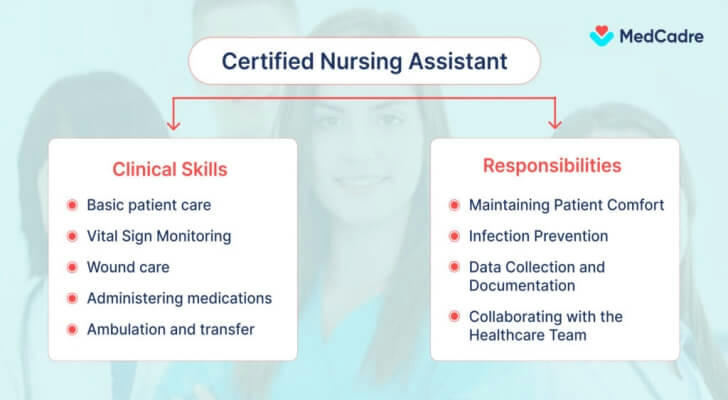
Modern nursing isn't just about compassion — it’s about precision, adaptability, and continuous growth. For aspiring nurses, mastering advanced clinical skills is becoming essential in a complex U.S. healthcare environment. 🩺✨
🟦 🔹 What’s the Value of Advanced Skills?
According to the U.S. Bureau of Labor Statistics, nurses with advanced clinical training report a 15% higher retention in acute care settings.
📌 Why it matters: This isn’t a job guarantee, but it signals increased engagement and professional satisfaction.
🧠 Critical view: Retention might be tied to organizational culture, not just training.
🟩 🔸 Key Advanced Skills at a Glance
| Skill | Description | Data* |
|---|---|---|
| Ultrasonography Basics | Using handheld ultrasound tools | 25% adoption rate† |
| Cognitive Assessment | Detecting delirium early | 30% improved detection‡ |
- American Nurses Association, 2024
Percentage of U.S. hospitals training nurses in ultrasound
Based on documented performance post-certification
📊 Insight: These numbers highlight growing expectations — but adoption varies by region and hospital size.
🟠 🔹 How to Learn and Practice
Enroll in simulation workshops.
Practice with standardized patients.
Reflect and review your work.
💡 Example: A trainee practices bedside ultrasound, checks against a protocol, and asks for peer feedback. Simple, repeatable, and reality-based.
🔴 🔸 Cognitive Assessment in Action
📋 Steps to follow:
Observe patient behavior
Use CAM–ICU or other validated tools
Document observations clearly
Repeat if symptoms evolve
🎯 Case: A patient becomes disoriented post-op. The nurse uses CAM–ICU, flags possible delirium, and informs the attending provider. Timely action avoids complications.
🟡 🔹 Why Critical Reflection Matters
A 2024 IHI study found reflection after simulation reduced minor clinical errors by 20%.
✏️ Important caveat: Simulated environments allow time for reflection — real wards might not.
🔍 Key takeaway: Reflection works best when built into workflow, not just as an afterthought.
🟣 🔸 Mixing Fun with Rigor
🧠 Quick quiz challenge:
What’s the next step if a scan shows fluid around the lungs?
A. Repeat the scan
B. Notify the physician
C. Continue monitoring
🗂️ This encourages thinking — not memorization.
🟦 🔹 Third‑Party Validation
Endorsed by the Society for Simulation in Healthcare, simulation training improves skill retention.
🧾 Independent audits show better outcomes than traditional lectures.
⚠️ However, simulations often lack the stress and unpredictability of real emergencies.
📌 Balanced view: Skill development is strongest when both technical mastery and real-world readiness are combined.

🟩 🔸 Final Thoughts
Learning advanced skills is not about prestige — it's about being ready for what patients need.
✅ Consistency, realistic training, and critical thinking form the backbone of clinical excellence.
🎓 Curiosity and humility make strong nurses — not just certifications.