
Patient Advocacy and Ethics: The Conscience of Healthcare
At the heart of every hospital room and clinic conversation lies a silent force: the conscience of healthcare. Patient advocacy and medical ethics don’t wear scrubs, but they shape every decision made under pressure.
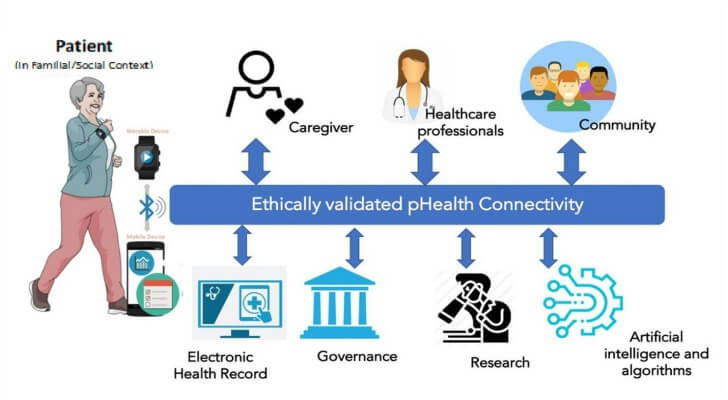
1. What Does It Mean to Be a Patient Advocate? 🗣️
Patient advocates are not just helpers—they’re interpreters, protectors, and mediators.
They explain complex medical terms in plain English.
They ensure the patient's values and wishes are honored.
They serve as a liaison between patient and provider.
A 2023 Pew Research survey found that 41% of patients felt unsure about treatment decisions without a dedicated advocate.
2. The Ethical Compass in Medicine 🧭
Ethics isn’t a set of rigid rules—it’s a balancing act.
1.Respect for autonomy: letting patients choose.
2.Beneficence: doing good, not just doing.
3.Nonmaleficence: first, do no harm.
4.Justice: fair access, no favoritism.
A bioethics review by Johns Hopkins emphasizes that ethical training reduces preventable errors by 18%.
3. When Advocacy Gets Tricky 🔄
Some real-life choices don’t have neat answers.
Should a patient refuse life-saving treatment?
What if a family disagrees with a signed directive?
Who speaks for someone unconscious without a will?
🎭 Ethical dilemmas aren’t about finding the right answer. They’re about asking the right questions—repeatedly.
4. Real Story: Mrs. K and the Quiet Nurse 👩⚕️📓
Mrs. K, an 82-year-old with dementia, was marked for a feeding tube. Her chart had no advance directive.
A nurse noticed Mrs. K visibly recoiled during the prep. Instead of continuing, she paused and requested an ethics consult.
The hospital ethics board later discovered Mrs. K had verbally refused aggressive treatment days earlier—with her neighbor present.
A tube was never inserted.
5. Training and Certification in Advocacy 🎓
Patient advocacy isn’t improv. Most professionals have training in:
Conflict resolution
Health law basics
Informed consent processes
According to the Patient Advocate Certification Board, over 900 individuals held board certification in 2024.
6. The Numbers Behind Ethical Complaints 📊
The American Medical Association tracks ethics-based grievances annually. The following table highlights recent patterns:
Table: Top Categories of Reported Ethical Complaints (2024)
| Type of Complaint | % of Total | Example Situation |
|---|---|---|
| Informed Consent Disputes | 32% | Patient unaware of risks |
| End-of-Life Decisions | 24% | Conflicts over DNR orders |
| Resource Allocation | 19% | Prioritizing treatments during shortages |
| Confidentiality Breaches | 15% | Discussing patient info publicly |
✍️ Only 10% of these cases led to formal disciplinary action—but each triggered policy reviews.
7. How to Navigate an Ethical Challenge 🧩
Steps a healthcare professional might follow:
1.Recognize the issue—does this feel wrong?
2.Clarify the dilemma—what values are at odds?
3.Consult an ethics board or legal team.
4.Document everything—notes matter.
5.Act with compassion and consistency.
Decision-making under stress is tough. A checklist won’t solve every case, but it prevents reckless choices.
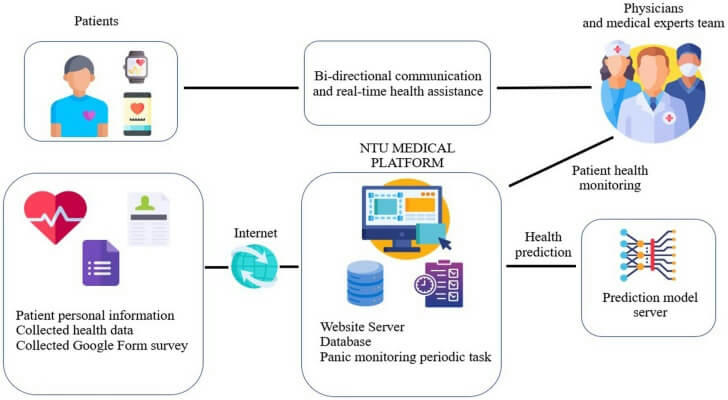
8. Third-Party Oversight: Not Just Bureaucracy 🔍
Oversight isn’t about catching mistakes—it’s about preventing them.
Hospital ethics boards review high-stakes cases.
Ombuds offices handle unresolved patient grievances.
External watchdogs (like Joint Commission) audit safety and care.
According to the Joint Commission’s 2024 review, hospitals with active ethics review panels reported 22% fewer preventable conflicts.
9. Where the System Still Struggles 🧱
Challenges remain, especially in:
Underserved areas where advocates are rare
Language barriers complicating consent
Fast-moving ERs skipping ethical review
Even with safeguards, bias and burnout still influence outcomes. Ethics needs time—and time is scarce.
10. The Quiet Power of Conscientious Action 🕊️
Small actions often carry the most ethical weight:
Pausing to ask a scared patient what they understand
Speaking up when a treatment seems rushed
Asking, not assuming
Patient advocacy isn’t flashy—but it saves trust, time, and sometimes lives.
Closing Thought
Ethics in healthcare isn’t a separate field—it’s embedded in every breath a provider takes. Advocacy is the human voice in a clinical setting. And like a conscience, it works best when it doesn’t stay silent. 🩺📚