
The Compassionate Professional: Excelling as a Medical Assistant
The role of a medical assistant (MA) is a cornerstone of modern healthcare, bridging the gap between patient and provider. It's a profession that demands a unique blend of clinical skill and empathetic understanding. This article explores the multifaceted world of medical assisting in the current U.S. landscape, highlighting the essential qualities and daily realities of this vital position.
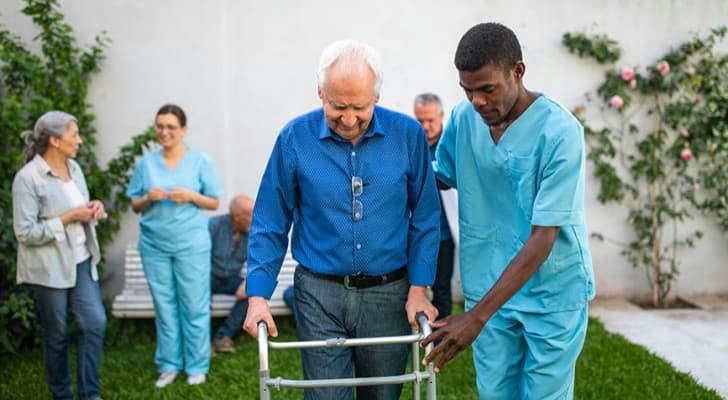
💖 The Heart of the Clinic: What MAs Really Do
Medical assistants are the engine of a busy medical office. Their responsibilities are incredibly diverse, often shifting between administrative and clinical tasks. On any given day, an MA might be the first person a patient sees, handling everything from scheduling appointments to preparing a patient for an exam. This variety keeps the job dynamic and engaging.
📋 A Day in the Life: A Blend of Skills
The daily routine of a medical assistant is far from monotonous. It requires a swift transition between different duties.
Clinical duties: Taking vital signs, preparing patients for procedures, assisting with examinations, and sometimes performing basic lab tests.
Administrative duties: Answering phones, managing patient records, handling correspondence, and coordinating appointments.
Patient interaction: Offering comfort and clear information, ensuring a positive patient experience from start to finish.
🩺 Beyond the Basics: Specialized Roles
While many medical assistants work in general practice, some find their niche in specialized fields. An MA in a cardiology office, for instance, might be trained to perform EKGs. In a dermatology clinic, they might assist with minor surgical procedures. This specialization allows for deeper expertise and a more focused career path.
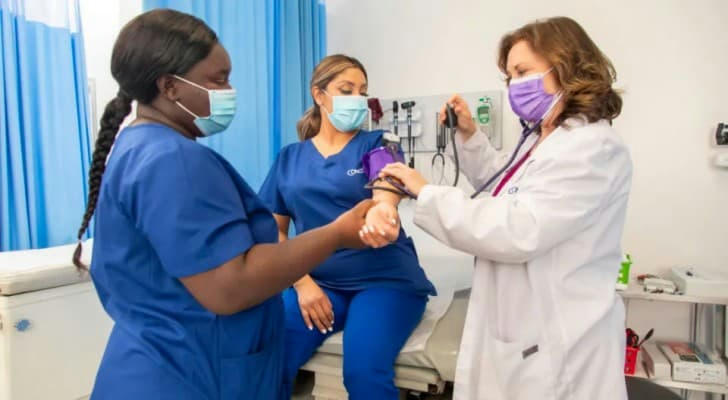
📈 The Landscape: A Look at the Numbers
The Bureau of Labor Statistics (BLS) provides a clear picture of the profession's growth. The job outlook for medical assistants is projected to be robust.
| Year | Employment (in thousands) |
|---|---|
| 2020 | 728 |
| 2030 (Projected) | 850 |
This growth indicates a steady demand for qualified professionals in the field, reflecting an aging population and increasing need for healthcare services. The profession is a vital part of a growing industry.
💡 Essential Traits for Success
To thrive as a medical assistant, certain personal qualities are as important as clinical training.
Empathy and compassion: The ability to connect with patients, understand their anxieties, and provide genuine comfort.
Attention to detail: Accuracy is non-negotiable, whether recording vitals or managing patient charts.
Adaptability: The healthcare environment is fast-paced and ever-changing, requiring a professional who can quickly pivot between tasks.
Strong communication skills: Clear and concise communication is essential for interacting with patients, doctors, and other staff members.
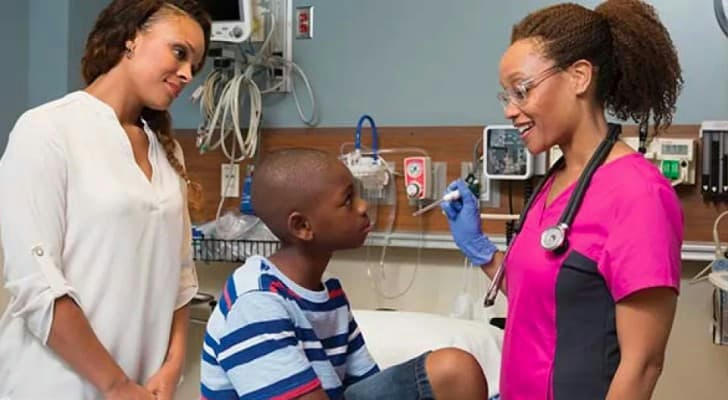
👩⚕️ Case Study: The Human Touch
Consider a patient named Sarah, who is nervous about an upcoming procedure. A skilled medical assistant, instead of just running through a checklist, takes a moment to explain each step in simple terms. They make sure to answer her questions, offering a reassuring smile. This small act of kindness transforms Sarah's experience from a scary event into a manageable one. This kind of human touch is a powerful component of the role.
📚 Education and Training: The Path to Certification
Becoming a medical assistant typically involves completing a postsecondary program. Many programs last about a year.
Coursework: Includes anatomy, medical terminology, and pharmacology.
Hands-on training: Clinical externships provide practical experience in a real-world setting.
Certification: While not always mandatory, certification from organizations like the American Association of Medical Assistants (AAMA) can enhance a professional's credibility and career prospects.
🌟 Critical Analysis: The Value of the MA
The value of the medical assistant extends beyond their specific tasks. They are often the first point of contact and can significantly influence a patient's perception of their care. A skilled MA contributes to a more efficient and compassionate healthcare system. Their role allows physicians to focus more on diagnosis and treatment, while MAs handle the essential supporting tasks. This collaborative model is a cornerstone of effective healthcare delivery.