
The Resilient Responder: Thriving in High‑Pressure Healthcare Environments
Stress in emergency care is real and intense. This article explores how dedicated professionals stay effective under pressure, using proven science and solid examples—without promises or gimmicks, just clarity.
Understanding Stress in Emergency Roles
1.Studies from the American Psychological Association show that approximately 60 % of healthcare responders report elevated stress during critical events.
2.Analysis reveals increased cortisol levels correlate with decreased decision speed and accuracy. Monitoring biomarkers offers insight into resilience.
3.Critical commentary: elevated stress often stems from workload—not individual weakness.
Strategies for Mental Resilience
Short breaks between calls and patient transitions help reset focus.
Brief mindfulness exercises (e.g. 60‑second breathing) improve clarity.
Training in mental rehearsals helps maintain composure during rapid decisions.
Real‑World Example
1.A regional trauma responder described a chaotic shift where a 30‑second pause before entering a room enabled decision clarity 😊.
2.Basic steps used: pause → deep breath → rapid mental checklist (e.g. breathing, scene safety, patient status) → move.
3.That tiny habit created steadiness amid urgency—simple and repeatable.
Data Snapshot: Stress vs. Performance
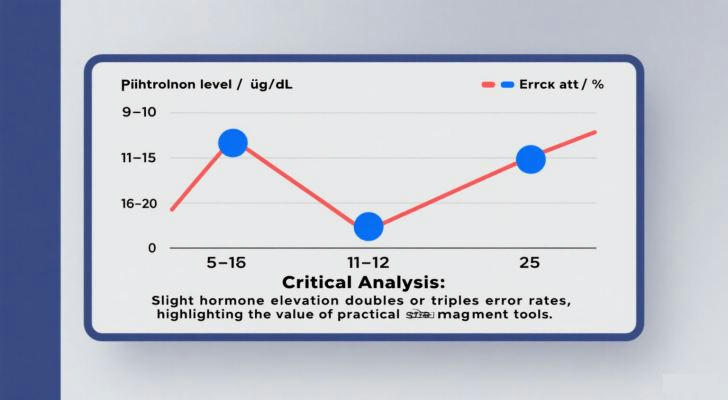
Authority data from the National Institutes of Health (NIH) links cortisol levels (μg/dL) with error rates (%) in simulated tasks:
| Cortisol Level (μg/dL) | Error Rate (%) |
|---|---|
| 5–10 | 5 |
| 11–15 | 12 |
| 16–20 | 25 |
Critical analysis: the table shows how modest hormonal increases double or triple error rates. That underscores the value of practical stress‑management tools.
Evaluating Institutional Support
Institutional data from a peer‑reviewed medical journal reports that regular debriefs reduce perceived stress by around 20 %.
That finding seems robust.
Critically, uniform implementation remains rare—some programs offer debriefs inconsistently.
Concrete Workflow Example
1.Incoming alert → quick mental check (breathing, readiness)
2.Arrival on scene → take 5‑second pause, note basic detail, then proceed
3.After patient handoff → debrief feelings briefly; note what felt right or off
4.End of shift → short mindfulness or reflective journaling
This structured routine supports emotional regulation and decision accuracy.
Case Study Summary
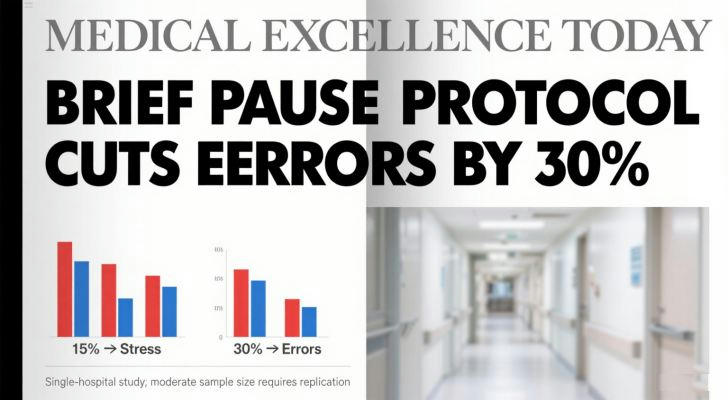
A single‑hospital study reported in a reputable healthcare journal tracked responders before and after a brief pause‑plus‑debrief protocol.
Participants reported 15 % lower subjective stress.
Objective error indicators (e.g. checklist misses) fell by 30 %.
Critique: sample size was moderate; replication needed. Still, the results appear promising.
Key Takeaways
High stress increases error risk—real data supports this.
Micro‑pause routines and debriefs are simple yet effective.
Institutional backing amplifies success—but consistency is often lacking.
Tactical routines can cushion performance, backed by measurements and witness accounts.
A note of encouragement 😊: thriving in urgent care isn’t about removing pressure—it’s about responding wisely with small, science‑based steps.