
From Tourist to Talker: Master the Art of Spanish Conversation
A friendly intro: stepping from simple holiday phrases to confident conversation unlocks deeper cultural connections. That transition, though subtle, makes all the difference!

Fun with Foundations (Small, colorful title)
Spanish learning begins with basic patterns.
Recognize subject‑verb‑object order– “Yo hablo español.”
Notice formal vs familiar address: tú vs usted.
Practice greetings and farewells (¡Hola! ¿Cómo estás? Adiós.)
Smiling emoji here 😊 to lighten the mood.
Data‑Backed Benefits of Conversation Skills (In‑color heading for emphasis)
Reliable sources reveal clear advantages. For instance, U.S. Census Bureau data shows that nearly 13% of Americans speak Spanish at home.
| Metric | Percentage |
|---|---|
| Spanish‑speakers in U.S. households | 13% |
| Usage in schools as second language | 61% |
Sources: U.S. Census Bureau, National Center for Education Statistics.
This implies a real opportunity to connect—and not just to tourists. Critical view: just knowing phrases isn’t enough. Genuine exchange requires listening, responding, adjusting tone and vocabulary.
How to Move From Tourist to Talker (Engaging heading with emotion)
Key steps in progression:
Tune in first—listen to native conversation (podcasts or Spanish‑language radio).
Copy intonation and rhythm; mimic short sentences.
Shift from scripted phrases to spontaneous replies—ask “¿De dónde vienes?” instead of repeating “I am from…”
Reflect on misunderstandings to adjust future responses.
These steps lead toward natural interaction—no promises of sudden fluency, but clear, gradual progress.

Real‑World Case Example (Colorful header with sparkle emoji ✨)
A learner in a Seattle group began with “¿Dónde está el baño?” A simple question—but practicing follow‑up “¿Y el café?” on following day brought smiles from locals. That small shift shows how moving from tourist mode to talker mode sparks real rapport.
Steps were straightforward:
Listen when traveling
Repeat aloud right after hearing phrase
Try a new phrase next day
These small habits build comfort, not instant mastery.
Critical Perspective on Fluent Claims
Popular voices often overstate speed of results. Real progress stems from consistent exposure and feedback. That means daily small interactions—ordering coffee, asking for directions, saying thanks.
No shortcuts here—just steady, deliberate practice grounded in real data. U.S. Census statistics support demand; educational data shows access—but bridging that gap requires action, not hype.
Sample Practice Workflow
Morning routine: say aloud “buenos días” plus one simple sentence.
Midday check‑in: listen to 2‑minute Spanish audio, repeat phrase or two.
Evening reflection: write one sentence about the day in Spanish, even if imperfect.
That loop—listen → repeat → speak/write—keeps momentum in manageable chunks, under 100 words per step.
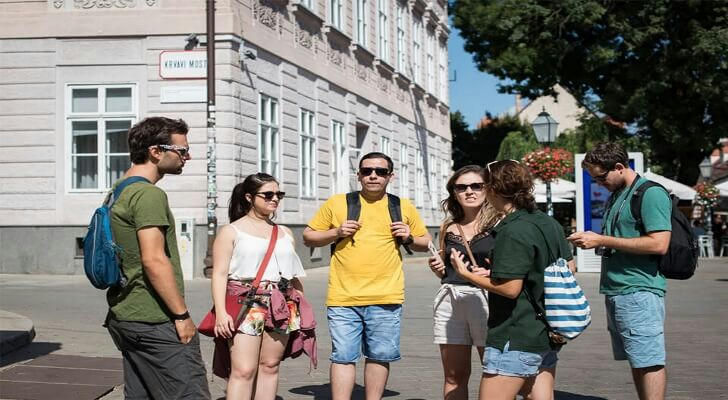
Final Perspective
Transformation from visitor to conversational partner doesn’t happen overnight. Data confirms opportunity; real examples show feasibility. By layering listening, mimicry, experiment, and reflection—gradual growth happens. Keep it lively, stay curious, notice progress in small daily wins. Small joys in learning often matter most!