
The Sound of Success: Perfecting Your American English Accent
Speaking clearly can open doors—but mastering an American English accent is more science than mystery. This guide explores how accent works, why it matters, and how real people are improving their pronunciation without gimmicks.
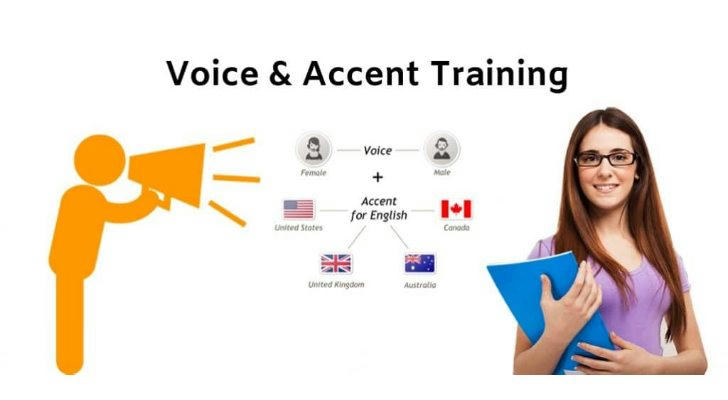
What is an accent, really?
Everyone has an accent. It reflects regional, cultural, and linguistic history.
An “American English accent” often refers to General American, heard in national media.
Unlike grammar or vocabulary, accents develop through habitual muscle and sound memory.
🧠 Fun fact: Babies can hear all sounds across languages, but by age 1, their brains tune into only those used in their environment.
Why some sounds are hard to master
Native language patterns override new ones (L1 interference)
Some English sounds like “r” or “th” don’t exist in other languages
Mouth and tongue muscles form habits that need retraining
Example: Spanish speakers may say “bery” instead of “very,” since the /v/ sound doesn’t exist in the same way in Spanish.
Accent vs. fluency: two different goals
| Feature | Accent | Fluency |
|---|---|---|
| Focus | Sound, pronunciation | Grammar, vocabulary, speed |
| Affects understanding? | Sometimes | Often |
| Native speakers too? | Yes | No (fluency means language control) |
✔ Insight: Many fluent speakers retain their accent but are completely understood.
Effective techniques for pronunciation
🎯 Targeted listening
Choose American podcasts or audiobooks
Focus on rhythm, pitch, and linking—not just words
🗣️ Shadowing
Listen to a native speaker say a phrase
Repeat it right after, matching tone and timing
Record and play back to compare
🎧 Try 5-minute TED Talks—slow and clear delivery makes them ideal.
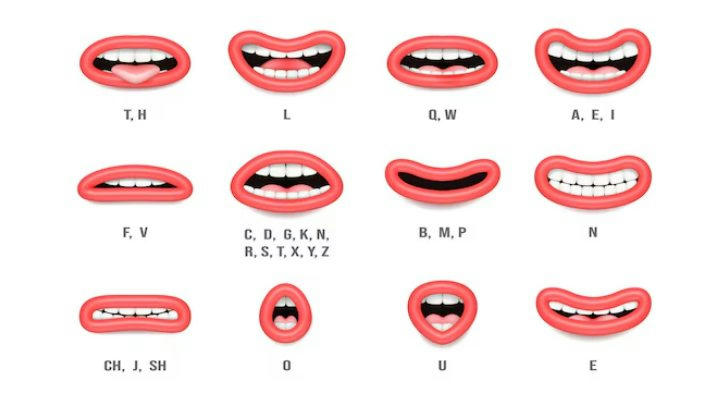
🦷 Mouth training
Use a mirror to monitor tongue and lip position
Learn IPA symbols for hard sounds like /θ/, /r/, /æ/
Real-world improvement stories
👤 Mei from Taiwan
Struggled in office meetings, so she practiced with public radio recordings. Within 2 months, colleagues noticed better clarity.
👤 Ahmed from Egypt
Used speech recognition apps to monitor his pronunciation. Once errors reduced, he passed his first customer service phone screening.
What experts recommend
The American Speech-Language-Hearing Association (ASHA) notes:
“Accent modification is about clarity and confidence—not eliminating identity.”
Studies show clarity improves after 8–12 weeks of focused practice with feedback.
Common myths debunked
❌ Myth: Only children can learn accents
✅ Truth: Adults build new speech habits with practice
❌ Myth: You must erase your identity
✅ Truth: Clear speech doesn't require cultural conformity
❌ Myth: Watching TV is enough
✅ Truth: Real progress comes from active speaking and correction
A realistic 6-week practice plan
Week 1–2: Pick 3 target sounds (e.g., “r”, “th”, “v”)
Week 3–5: Practice 15 minutes daily with shadowing
Week 6+: Use tools or feedback from tutors or peers
🌟 Accent work isn’t about sounding perfect—it’s about being understood.

🟩 Final thought
Perfecting an American English accent isn’t about sounding native—it’s about increasing clarity and connection in everyday life. Whether it's a job interview, a classroom presentation, or a casual chat, being understood builds confidence.Every accent tells a story. Refining pronunciation simply helps make that story heard—clearly, confidently, and without losing who you are.