
Deep Work & Flow: Reclaiming Your Focus in a Distracted World
Reclaiming attention today isn’t about fighting technology—it’s about reprogramming the mind for clarity, stamina, and joy in the present task.
1. What Is Deep Work Anyway? 🧠💡
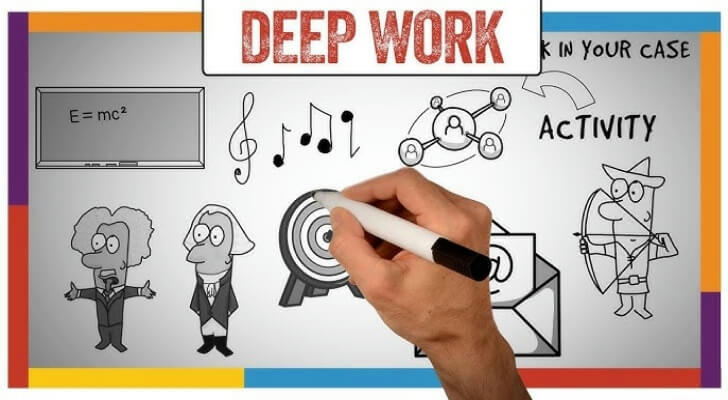
The term "deep work" refers to uninterrupted, high-focus effort on mentally demanding tasks.
No multitasking allowed
Often cognitively tiring
High return on invested attention
According to Georgetown professor Cal Newport, this practice boosts performance in any discipline requiring real skill.
2. Flow Isn’t Just for Artists 🌊🎨
Flow is the mental state where time seems to vanish during total immersion.
Requires clear goals and immediate feedback
Balances challenge with skill
Feels rewarding in itself
Psychologist Mihaly Csikszentmihalyi’s studies show people in flow report the highest levels of life satisfaction.
3. Why Focus Feels So Hard Now 📱🌀
Distractions are now designed by experts in behavior science.
Notification loops trigger dopamine
Email fosters a false sense of urgency
Split attention reduces memory consolidation
🧩 According to a 2024 APA report, average adult attention span dropped from 150 seconds in 2000 to just 47 seconds in 2023.
4. The Brain's Attention System Is Finite 🧬🧃
Each person has a limited amount of cognitive fuel daily.
The prefrontal cortex tires with every decision
Switching tasks burns extra energy
Deep rest recharges selective attention
🛑 Like a battery, attention needs management—not just discipline.
5. Case Study: Rebuilding Focus in a Noisy Household 👩💻👶
Laura, a remote worker with two toddlers, couldn’t find a moment of silence.
Her strategy:
Woke at 5:30 a.m. for two deep work blocks
Used noise-canceling headphones and door signs
Kept a distraction log to track interruptions
📈 Over 6 weeks, she finished a personal writing project after a 2-year block.
6. The Data on Distraction 📊🔍
The Pew Research Center compiled focus-related behavior in 2024:
Table: Workplace Distraction Metrics by Age Group
| Age Group | Avg. Interruptions/Hour | Top Source of Distraction |
|---|---|---|
| 18–24 | 11 | Social Media Apps |
| 25–39 | 9 | Email Notifications |
| 40–59 | 6 | Background Noise |
| 60+ | 4 | Internal Thought Loops |
📉 Younger workers face more frequent digital triggers—older ones struggle more with internal distractions.
7. Flow Triggers Anyone Can Use 🔑🎯
Psychologists identify conditions that prompt flow more easily.
Clear, challenging goals
Total concentration
No self-consciousness
Immediate feedback
🎯 Musicians, gamers, and surgeons often enter flow naturally due to these factors.
8. Third-Party Research Keeps It Honest 🧐📚
Independent institutions highlight both benefits and limits of attention retraining.
National Institute of Mental Health links digital detox to improved mood
Stanford’s Lab for Attention Research cautions against over-structuring mental space
⚖️ External validation keeps deep work grounded—not romanticized.
9. Mini-Rituals That Boost Attention 🔁🕯️
Simple habits help the brain prepare for deep work.
Light a scented candle before writing
Always start with the same background music
Stretch or breathe deeply for 60 seconds
🧘 These cues tell the brain, “It’s time to focus.”
10. Final Thought: Attention Is a Muscle 💪📘
Focus, like strength, improves with repetition.
📚 Deep work doesn't make tasks easier—it makes them clearer.
😌 Flow doesn't make life calm—it makes it vivid.
And both start with choosing where to look.