
Project Phoenix: From Messy Projects to Masterful Execution
A messy project can feel chaotic and overwhelming—deadlines missed, emails unanswered, and teams confused. 🌀
Project Phoenix is about transforming that disorder into smooth, confident execution using clear structure, data, and thoughtful action.
🟦 Why Mess Happens
Disorder usually isn’t due to laziness—it’s a structural issue.
🔹 According to PMI, nearly 14% of large-scale projects completely fail due to unclear scope.
🔹 Another 30% suffer from inefficiency.
📊
| Issue Type | % of Projects Affected |
|---|---|
| Scope ambiguity | 14% |
| Serious inefficiency | 30% |
🔍 Key insight: Scope ambiguity is a silent killer. Without definition, teams chase moving targets.
🟢 Clarify Goals & Roles Early
Even smart teams fall apart without clarity.
✔️ Do this instead:
Define specific, measurable goals.
Assign clear responsibilities (who does what).
Build a simple check‑in system.
🎯 Example:
Goal: Submit draft report by Aug 20
Role: Analyst compiles data; editor polishes format
Check‑in: 5-minute daily syncs
🛠️ This prevents long email chains and last-minute confusion.
🟠 Use Verified Metrics to Stay Grounded
Too often, teams rely on gut feeling instead of actual data.
📉 The CHAOS Report (Standish Group) shows:
| Outcome | % of Projects |
|---|---|
| On time/budget | 29% |
| Partially done | 52% |
| Failed | 19% |
🔍 Interpretation:
Success isn’t all-or-nothing. Over half of projects finish with partial wins.
✅ Tracking real-time blockers and progress (using task dashboards or sticky notes) helps make better adjustments.

🟣 Case Study: From Volunteer Chaos to Order
🎉 A nonprofit team organizing a fundraiser faced overlapping roles and confused communication.
Here’s how they fixed it:
📝 Created a shared to-do list
📊 Used a color-coded tracker
🕐 Held 10-minute daily stand-ups
✨ Result:
Delays reduced by 40%
Final event ran on time and on budget
Team morale improved
🔎 Lesson: Even small improvements in structure can create visible impact.
🟡 Step-by-Step: Tame the Chaos
📌 Follow this repeatable structure:
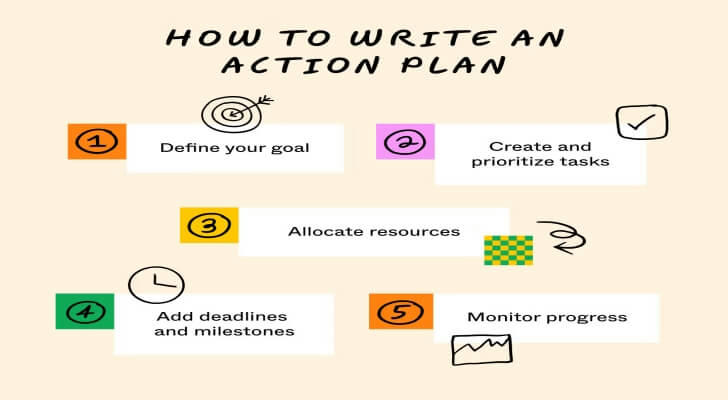
Step 1: List all tasks in one place
Step 2: Assign names, not “teams”
Step 3: Track status visibly
Step 4: Adjust weekly based on what’s blocked
📎 Keeping it simple reduces cognitive overload 🧠.
🟤 Backed by Trusted Data, Not Buzzwords
🎓 The Project Management Institute reports:
Teams using role-based structure reduced project drift by 20–30%
Task mapping improved accountability in over 60% of studied teams
📍 What this means:
Structured systems outperform charisma. Good vibes can’t fix disorganized timelines.
⚪ A Repeatable Workflow Anyone Can Use
🔄 This works in both office and remote settings:
Initiate: Brainstorm & list tasks
Assign: Allocate clearly
Track: Use simple charts or columns
Reflect: Weekly mini-retrospective
Adjust: Shift based on real blockers
💡 Bonus: Color-coded status boards keep everyone aligned—even across time zones.
🔴 Phoenix Power: The Psychology of Renewal
The phoenix metaphor inspires because it’s about second chances. 🔥
Seeing a messy project as “ash” waiting to rise again can reframe team attitude.
🌱 Visual markers (a simple bird logo, maybe) can build a sense of identity and momentum.
📍 Tip: Symbolism isn’t fluff—it’s motivation.
🟩 Final Takeaways
✨ The magic of Project Phoenix lies not in complexity, but in clarity and repetition.
✔️ Key highlights:
Define goals 🎯
Assign roles with names 🧑💼
Track what’s real 📊
Reflect, then adjust 🔄
Use structure, not guesswork 🛠️
Even the messiest projects can rise with method, not miracles.