
The Art of a Difficult Conversation: A Masterclass in Workplace Diplomacy
From giving feedback to addressing conflict, difficult conversations are unavoidable in any workplace. Yet when handled with skill, they can strengthen relationships, increase clarity, and boost performance. This guide blends research, practical steps, and real-life examples to master the fine art of workplace diplomacy.

🔷 What Makes Conversations “Difficult”?
They often involve sensitive topics (performance, behavior, values).
Power dynamics or fear of conflict make people hesitant.
Emotional stakes—such as embarrassment or fear of judgment—add pressure.
📊 Key Statistics
| Source | Finding |
|---|---|
| Society for Human Resource Mgmt (SHRM) | 72% of employees avoid difficult conversations |
| American Management Association | 41% of managers say they delay conflict talks |
Analysis: Avoidance leads to reduced productivity and employee disengagement. The first step is to understand what’s being avoided—and why.
🟢 Step 1: Prepare with Intention
Clarify the purpose of the conversation.
Focus on observable behaviors, not assumptions.
Write out 2–3 core points in advance.
🛠️ Case Example
Issue: Repeated missed deadlines
Prep:
1."I've noticed the last three reports were submitted late."
2."I’d like to understand what’s getting in the way."
3."Let’s find a way to adjust the schedule if needed."
🟣 Step 2: Use Structure, Not Scripts
1.Start with context: Why this matters now
2.Describe facts: Use specific, recent examples
3.Ask open questions: Invite input
4.Collaborate: Move toward shared solutions
✅ Checklist
Avoid blame language
Focus on impact, not intention
Pause for reflection before responding
👀 Research from MIT Sloan shows structured conversations reduce emotional resistance by 23%.
🟠 Step 3: Ground Feedback in Data
💬 Saying "You're always late" is vague.
📊 Saying "This month’s average delivery was 3 days over deadline" is actionable.
| Feedback Style | Result |
|---|---|
| Emotional/generalized | Defensive response |
| Specific/data‑based | Receptive, solution‑driven |
Example
Wrong: “You never meet expectations.”
Better: “Your last two client emails missed key points outlined in the brief.”
🔍 Third-party support: A Gallup study finds that feedback tied to objective criteria improves engagement by 39%.
🔴 Step 4: Address Emotion with Curiosity
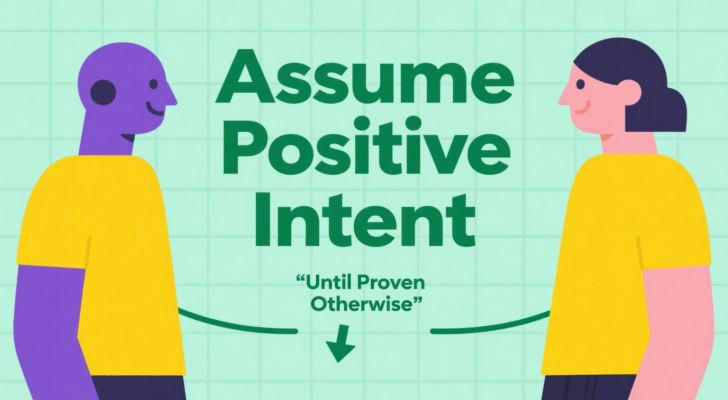
Assume positive intent until proven otherwise
Ask, don’t accuse: “What’s been challenging lately?”
Mirror emotion if needed: “That sounds frustrating.”
🧠 Emotional intelligence is key. According to Yale’s Center for Emotional Intelligence, leaders who reflect calmness in tense conversations foster 45% better decision-making in teams.
🎭 Mini Case
Topic: A colleague is frequently distracted
Approach:
1.Observation: “I’ve noticed you’ve stepped away a lot recently.”
2.Curiosity: “Is something pulling focus during work hours?”
3.Support: “Is there anything we can adjust?”
🟡 Step 5: Follow Up, Don’t Drop It
End with clear agreement: "Let’s check in again in one week."
Use a short written summary to confirm.
Ask for feedback: “Was this conversation helpful?”
📬 Best Practice Flow:
1.Reiterate shared goal
2.Summarize next steps
3.Thank for honesty and collaboration
🎯 A University of Colorado study found that 67% of workplace tensions reignite due to lack of follow-up.
🟤 Real-World Case: Conflict Turned Clarity
🧩 Situation: Two coworkers in dispute over task ownership
💡 Resolution Process:
Supervisor met separately with each
Collected project logs and timelines
Facilitated a joint meeting with shared goals
✨ Outcome:
Tasks were redistributed
Team satisfaction rose (as measured in an internal survey)
Future tasks now logged centrally to avoid overlap
🧠 Lesson: Transparency and joint problem-solving prevent blame spirals.
🔵 Final Insights: Diplomacy Is a Skillset
Difficult conversations aren’t confrontations—they’re opportunities.
Structure, empathy, and data are the key tools.
When handled thoughtfully, they build trust and improve performance.
🎓 Validation Insight
Leadership consultant Jennifer Goldman says, “The best leaders aren’t the ones who avoid hard talks—they’re the ones who make them easier.”
🌱 A well-handled conversation is a seed: planted with care, it grows into stronger working relationships.