
The Conflict Navigator: Turning Difficult Conversations into Opportunities
Conflict and difficult conversations are ubiquitous in the workplace and in everyday life. Faced with unpleasant topics, many people avoid them or lose control over their emotions, often leading to broken relationships and deepening misunderstandings. However, conflict itself is not a burden but a potential opportunity. By effectively mastering communication skills and transforming difficult conversations into constructive ones, we can foster relationship growth and resolve issues.

🔍 What Are "Difficult Conversations"?
Difficult conversations typically involve scenarios with disagreements, emotional tension, or conflicting interests. These may include performance feedback, salary negotiations, team disputes, or family conflicts.
According to a Harvard Business Review study, 70% of professionals believe effective communication is key to job satisfaction and efficiency, yet fewer than one-third feel confident handling complex conversations.
This highlights that managing difficult conversations is a common challenge in both work and life.
⚙️ Why Are Difficult Conversations So Challenging?
Emotional Interference: Participants often carry emotional baggage, leading to defensive or aggressive reactions.
Communication Breakdown: Misunderstandings or unclear expression often result in cognitive disconnect.
Avoidance Behavior: Many instinctively avoid confrontation, hoping silence will bring peace—yet problems tend to worsen.
Lack of Structure: Without a systematic approach, it's hard to manage the flow of conversation.
🧭 Principles to Turn Difficult Conversations into Opportunities
Self-Awareness
Recognize your true feelings and expectations before the conversation. This helps avoid being driven by emotion and allows you to stay calm and rational.
Listening Over Speaking
Active listening means understanding the other person's intent and emotions—not just hearing their words. Research shows that good listening lowers defensiveness and increases cooperation.
Focus on Issues, Not People
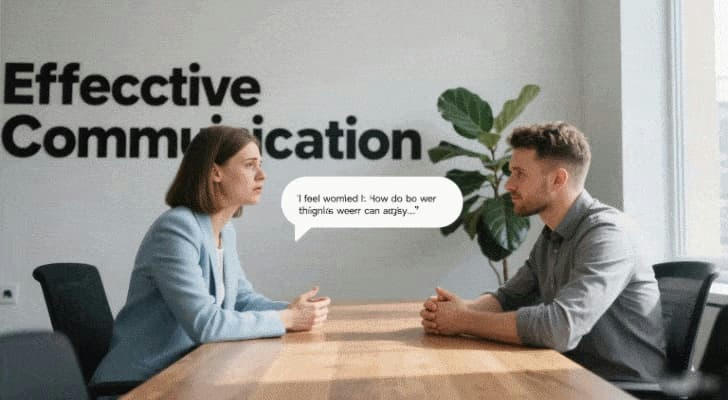
Avoid blame and personal attacks. Concentrate on the issue and shared goals. Use phrases like "I feel..." or "My understanding is..." instead of "You always..." or "You never..."
Seek Win-Win Outcomes
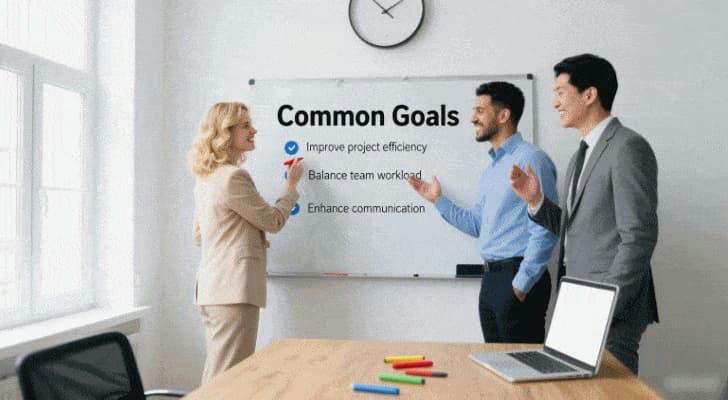
Difficult conversations shouldn't be a zero-sum game. Explore both parties’ interests to find common ground and innovative solutions.
Use a Neutral Framework
Apply models such as "Observation–Feeling–Need–Request" to clarify intent and reduce misunderstandings.
✅ Example:
❌ "You don’t care about the team's progress!"
✅ "I noticed the progress update wasn’t submitted this week (observation). I feel concerned about how this might affect our coordination (feeling). I hope we can all stay on the same page (need). Could you share your current progress? (request)"
🎯 Practical Techniques
Preparation Stage
Write down your key points
Anticipate possible reactions
Plan your response strategies
During the Conversation
Use a calm tone
Ask open-ended questions, like "What’s your view on this?" instead of "Isn’t it true that...?"
When Emotions Run High
Allow space
Pause to cool down
Resume once both sides are ready
At the End
Summarize the agreement and next steps
Ensure mutual understanding of outcomes
📈 Authoritative Data & Impact
According to a report by the American Psychological Association (APA), strong communication skills are directly linked to employee well-being and work performance. Teams with effective conflict management:
Improve productivity by 20%
Reduce turnover by 30%
These statistics underscore that mastering conflict navigation is not just a "soft skill"—it's essential for organizational health and personal development.
⚠️ Common Pitfalls
Thinking “avoiding conflict” solves the problem—suppression only worsens it
Turning conversations into debates or arguments—win-lose thinking blocks real dialogue
Ignoring emotional cues—focusing only on logic or facts fails to move the other party
💡 Conclusion: Creating Possibility Through Dialogue
Every seemingly difficult conversation is a hidden chance for self-growth and deeper relationships. By mastering conflict navigation skills, we reduce friction and expand opportunities for collaboration.
So next time you face a challenging conversation, pause and remind yourself:
"This is not just a conversation—it’s an opportunity."