
The Artisan Baker: Mastering the Science and Art of Sourdough and Pastries
Baking bread may seem simple, but behind every rustic loaf and flaky croissant lies a world of biology, chemistry, and craftsmanship. Artisan baking—especially sourdough and laminated pastries—blends tradition with science in a way that’s both technical and creative. In today’s food landscape, this practice is gaining traction for good reason.
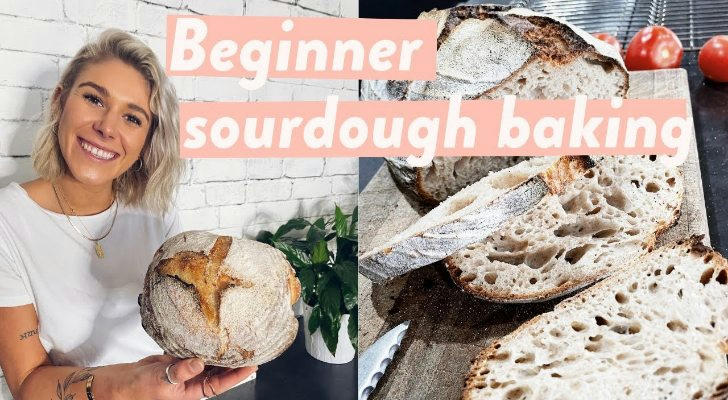
🥖 Defining Artisan Baking
Artisan baking involves small-batch, time-intensive methods that prioritize quality over convenience. These techniques typically rely on:
Natural fermentation using wild yeast
Hand-mixed and hand-shaped doughs
Minimal use of additives or processing aids
This process contrasts sharply with commercial baking, where speed and shelf-life often take priority over flavor and nutritional complexity.
🔬 The Microbiology of Sourdough
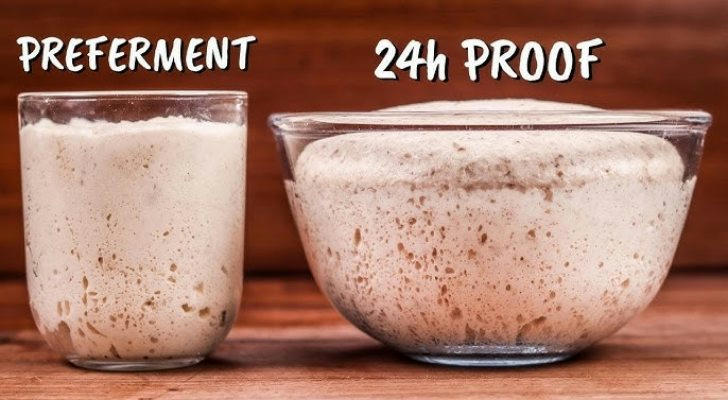
Sourdough bread begins with a simple mixture of flour and water, but what happens inside is far from simple. Wild yeasts and lactic acid bacteria naturally present in the flour and environment begin to ferment the mixture, creating a bubbly, living “starter.”
Through fermentation, these microbes:
Produce acids that give sourdough its tang
Create gases that raise the dough naturally
Help break down gluten and starches for improved texture and digestibility
📊 Scientific Note (UC Davis Microbiome Initiative, 2021): Over 100 species of yeast and bacteria have been documented in sourdough starters across North America—each region yielding a different microbial signature.
⏳ Time Is an Ingredient
In artisan baking, fermentation often lasts 12 to 48 hours. While slower than commercial yeast processes, this extended timeline allows for:
More complex flavor development
Structural changes to gluten and starches
Natural preservation through acidification
⏱️ Cold fermentation, often done overnight in refrigeration, improves crust texture and aromatic profile without artificial enhancers.
📈 The Rise of Small-Scale Baking
Economic shifts, supply chain disruptions, and increased interest in local food have contributed to the rise of micro-bakeries and home-based baking operations.
| Year | U.S. Adults Baking at Home | Registered Micro-Bakeries |
|---|---|---|
| 2019 | 14% | 1,200 |
| 2022 | 29% | 3,700 |
| 2024 | 33% | 4,800 |
(Source: American Bakers Association, USDA Home Food Producer Reports)
Far from a trend, this represents a structural change in how bread and pastries are made and shared in communities.
🥐 The Science and Precision of Pastries
Pastries like croissants and Danish require a different level of control. Through a process called lamination, dough is folded around butter to create dozens of delicate layers.
For example, a classic croissant involves:
3 folds = 81 layers of dough and butter
Precise temperature control to prevent butter melting
Multiple proofing and resting stages to maintain elasticity
Even a minor error in timing or technique can ruin the structure—pastry baking is as much science as art.
🏠 Micro-Bakery in Practice: Minneapolis Case
A former lab technician in Minneapolis converted a home kitchen into a fully operational cottage bakery. Sourdough loaves were sold through:
Pre-order systems and online spreadsheets
Weekend farmer’s markets
State-licensed Cottage Food Law allowances
After one year, production capacity reached the local legal limit. This example reflects a broader movement toward regulated, home-based food entrepreneurship.
🩺 Health Considerations: What’s Real?
While sourdough has gained a reputation for being more digestible, it is not suitable for every dietary need.
✅ Naturally fermented sourdough tends to:
Be lower in sugar
Retain moisture longer without additives
Break down gluten more completely
⚠️ However, sourdough is not gluten-free and is not safe for individuals with celiac disease. Additionally, some commercial breads labeled “sourdough” may use vinegar for flavor without true fermentation—reading ingredient labels remains essential.
🧠 Barriers and Critiques
Artisan baking isn’t without its limitations:
High-quality flour and tools can be costly
Results vary based on climate, water, and flour batch
The time requirement makes scaling difficult
Still, many small bakers have embraced these challenges in exchange for flavor control and community connection. Regulatory bodies like the USDA and state health departments continue to refine support structures for home-based and micro-scale food production.
🎯 Final Thought: A Scientific and Human Process
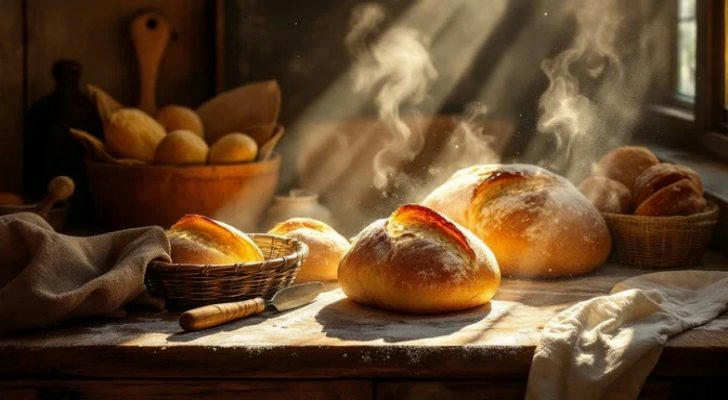
Artisan baking represents a union of tradition, microbiology, and manual skill. From the wild yeast in a sourdough starter to the careful folding of a pastry, each step reflects patience and precision.
🍞 In a world filled with shortcuts, artisan baking proves that long processes still have a place—and a powerful result.