
From Raw Wool to Wearable Art: A Comprehensive Course in Felting and Dyeing
Amid the resurgence of handicrafts, wool felting and natural dyeing have regained popularity. This artisanal practice, which combines natural materials, artistic creation, and traditional techniques, not only offers an immersive creative experience but is also considered by many to be a vital form of emotional healing and a means of aesthetic appreciation.
For middle-aged and older craft enthusiasts, felting and dyeing offer both a skill-building opportunity and a return to a slower pace of life and individual expression.
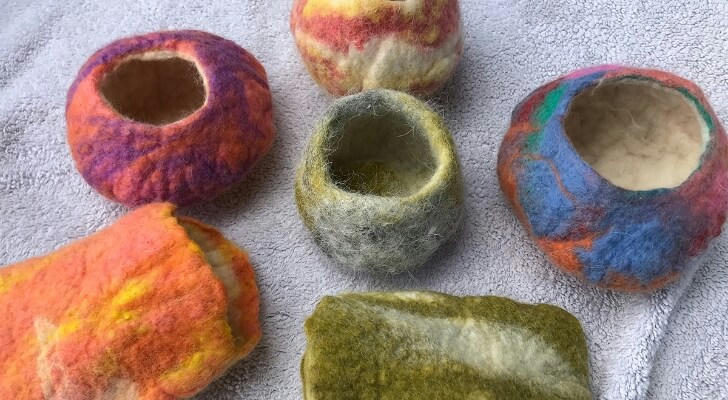
What are felting and natural dyeing?
Felting:
Felting is a craft that uses the natural entanglement of wool fibers through moisture, heat, and friction. This process can be used to create fabrics, bags, clothing, home decor, and even artwork.
There are three main forms of felting:
Wet felting: Using water and soap to create a bond between fibers
Needle felting: Using specialized needles to firmly shape wool
Nuno felting: Combining wool with fabric (such as silk) to create a lightweight fabric
Natural dyeing:
Natural dyeing uses natural materials such as plants, fruit peels, tree bark, and minerals to color wool, silk, or cotton and linen. This process is environmentally friendly, safe, and produces a rich variety of colors.
Common dyes include:
Onion peels (yellow hues)
Gardenia (bright yellow)
Madder root (red)
Indigo (blue)
Tea leaves, rust (gray-black hues)
Why is learning felting and dyeing worthwhile?
1.Independent creative work and emotional stress relief
Research shows that repetitive handcrafting can help reduce anxiety and stress levels. According to a study published in the American Journal of Art Therapy, adults who participated in fiber-based crafts generally reported greater feelings of relaxation and self-mastery.
Hands-on crafting enhances concentration.
Color combinations stimulate creativity and aesthetic appreciation.
The finished product fosters a sense of self-identity and accomplishment.
2.Blending art and functionality to enhance the quality of life.
Handmade wool products are not just works of art; they can also be practical objects, such as scarves, hats, coasters, and slippers. Each piece is a unique expression and can also serve as a special gift or home decor.
3.Environmentally friendly and low-carbon, aligning with sustainable development.
Compared to industrial dyes and mass production, natural dyeing and handmade felting emphasize reuse, low pollution, and eco-friendliness. The United Nations Environment Programme (UNEP) advocates for the development of localized, environmentally friendly daily textile crafts, and this craft aligns perfectly with this approach.
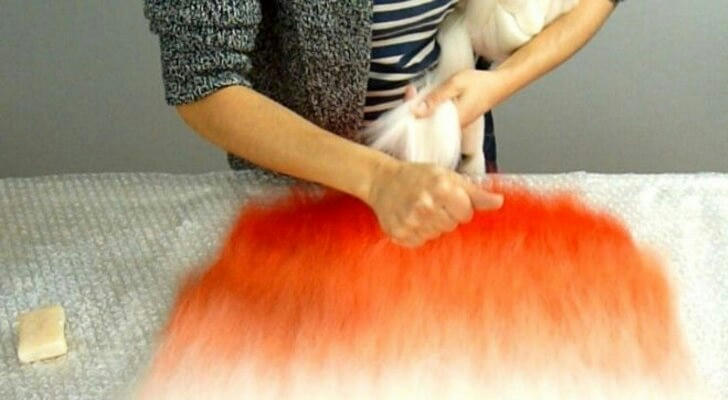
What does a felting and dyeing course typically include?
1.Wool Basics and Material Preparation
Differences between Various Wool Types (Merino, Corrydale, etc.)
How to Select High-Quality Raw Materials
How to Clean, Comb, and Store Wool
2.Basic Felting Techniques
Wet Felting Process (Laying the Wool, Watering, Rubbing, and Shaping)
Dry Felting (Making 3D Dolls, Accessories, etc.)
Nuno Felting Fusion Techniques (Suitable for Clothing and Scarves)
3.Natural Dyeing Knowledge
Identifying and Extracting Plant-Based Dyes
Color Fixation (Using Mordants Such as Alum and Iron)
Various Dyeing Techniques: Single Dip Dye, Tie Dye, Gradient Dye, Overdye, etc.
4.Project Implementation and Finished Product Presentation
Design a Complete Work (Scarf, Cushion, Wall Hanging)
Learn to Record Color Schemes and Dyeing Process
Evaluate Color Fastness, Fabric Texture, and Improvements in the Creative Process
Who is Suitable for Learning Felting and Natural Dyeing?
✔ Passion for traditional crafts and fiber art
✔ Enjoy a slow-paced, meditative experience
✔ Interest in developing handcraft into a personal brand or artistic practice
✔ A desire to express personal aesthetics through natural materials
Middle-aged and older women, in particular, tend to possess greater focus, patience, and a sense of beauty in life. These crafts are often incorporated into community programs, healing activities, and family creative time.
How to begin this creative journey?
✅ Start with simple projects, such as keychains and small charms
✅ Purchase a basic tool kit (wool, needles, felt pads, dye materials, etc.)
✅ Learn the plant-based dyeing cycle and color matching
✅ Record each step and color change to accumulate recipe experience
✅ Share your work and ideas with the crafting community for further inspiration
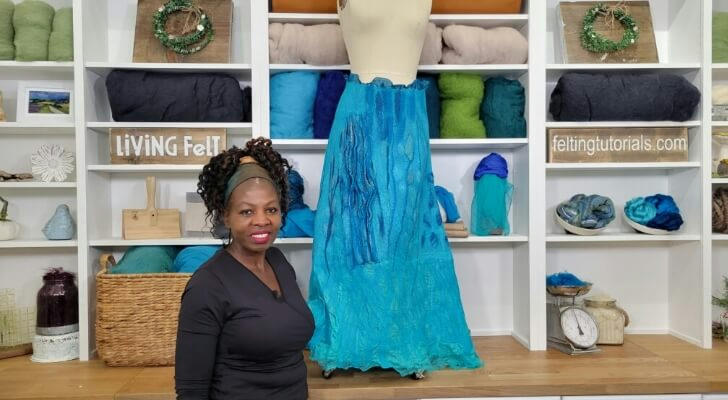
The Cultural and Artistic Value of Felt and Dyeing
Wool felting is an ancient craft, documented as early as 6000 BC and widely practiced in Central Asia, Mongolia, Scandinavia, and other regions. Today, it is increasingly being incorporated into contemporary fiber art, museum exhibitions, and art therapy.
When it comes to dyeing, natural dyes are regaining focus in the eco-friendly textile industry. According to the International Journal of Textile Research, natural dyeing techniques will become a part of high-end sustainable fashion within the next five years.
Conclusion: Harvesting colors from nature, creating warmth with your hands
Wool felting and natural dyeing are a response to nature, a soothing experience, and an embellishment of life. You don't have to be a professional artist to create your own beautiful world using natural materials and simple techniques.
🎨 Whether you're a beginner or an experienced craftsperson, this journey belongs to those who are willing to discover the beauty of life with their own hands.