
The Modern Herbalist: Growing, Harvesting, and Preparing Medicinal Herbs
A concise introduction:
Exploration of cultivation, harvest, and preparation of medicinal herbs—with scientific grounding, practical insight, and a dash of curiosity.
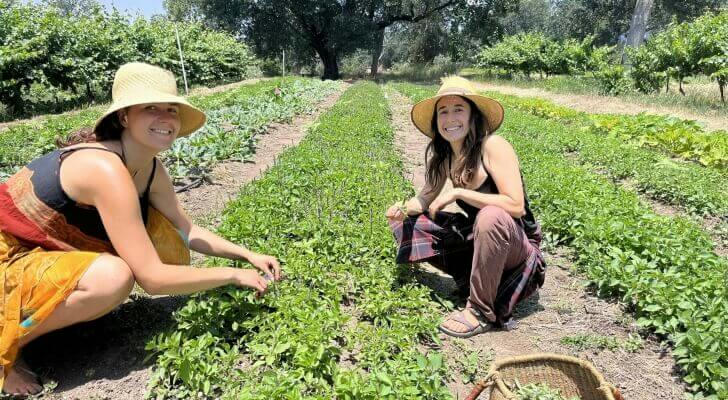
1. Scale of Cultivation 🌱
Medicinal plant cultivation spans thousands of species.
A recent initiative identified over 3,200 species grown commercially, well beyond earlier estimates of 900.
Table of scope:
Estimate Source Species Count Earlier literature ~900 Recent research >3,200 Broader cultivation suggests growing interest—but quality and conservation remain critical.
2. Market & Demand Trends 📈
U.S. herbal medicine revenue reached around $13.7 billion in 2023, with projections toward nearly $59 billion by 2030 (CAGR ~23%).
Market projection summary:
Year U.S. Revenue (approx.) 2023 $13.7 B 2030 (est.) $58.8 B Rapid growth indicates rising consumer interest; critical to balance demand with sustainable practices.
3. Ecological Risks in Wild Harvests 🍂
Use of wild medicinal plants meets rising demand—but overharvesting endangers many species.
One report notes 723 medicinal plants at risk of extinction, underscoring the threat from unchecked collection.
A conservation lens encourages cultivation and certification to protect wild populations.
4. Cultivation Methods & Best Practices 🛠
Indoor systems (e.g., greenhouses) allow controlled conditions—light, water, temperature—to optimize plant growth.
Propagation techniques include:
Seeding
Cuttings (e.g., mint, basil)
Division and bulbs
Integrated pest management—using natural predators like ladybugs—minimizes chemical reliance.
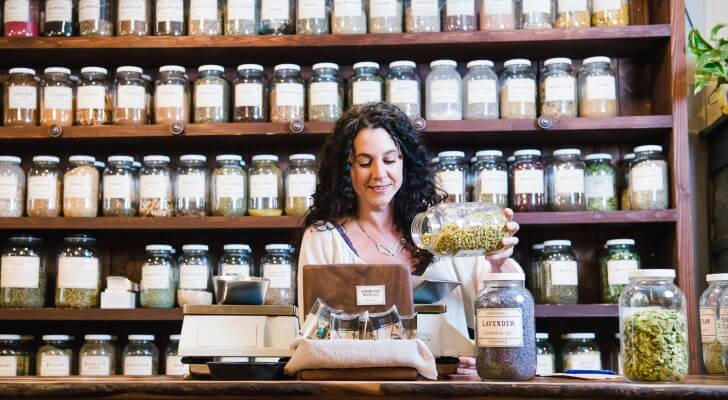
5. Case Study: American Ginseng 🌳
Cultivation vs. wild collection differ widely:
Forest-simulated ginseng takes 6–10 years before harvest.
Cultivated under artificial shade, harvest takes 3–5 years, and yields are higher.
This impact highlights how cultivation can reduce pressure on wild populations while boosting output.
6. Technology & Research Integration 🚁
Emerging tools like drones and remote sensing help monitor planting areas and manage resources in real time.
These technologies enable precision agriculture, enhancing sustainability.
Critical view: tech helps—but access and data interpretation still limit small-scale growers’ benefits.
7. Preparation and Safe Usage Insights 🧪
Preparation methods include drying, infusion, tincture, and powder form.
Important to note: herbal products may interact with medications and can carry risks if improperly dosed.
Scientific awareness is vital, and integration with healthcare contexts helps safeguard consumer health.
8. Reflecting on Balance and Responsibility 🌿
Rapid interest and market growth underscore the appeal of botanicals—but calls for caution:
Sustainability must match scale.
Quality control is necessary to ensure safety.
Education about ecological and pharmacological realities remains essential.
Summary reflection:
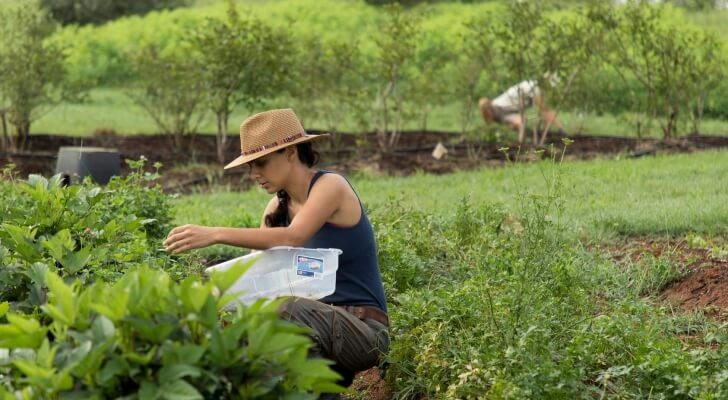
Cultivation of medicinal herbs bridges tradition and modern science. Broad species diversity, expanding markets, cultivation innovations, and ecological awareness together shape responsible practice. Thoughtful herbalism flourishes only when growth aligns with stewardship, research, and long‑term ecological well‑being.