
The Weaver’s Workshop: An Introduction to Loom Weaving and Basketry)
A hands‑on guide to two timeless crafts—loom weaving and basketry—that connect tradition with creative expression. Explore techniques, real data, and thoughtful insights, in an engaging and informative journey.
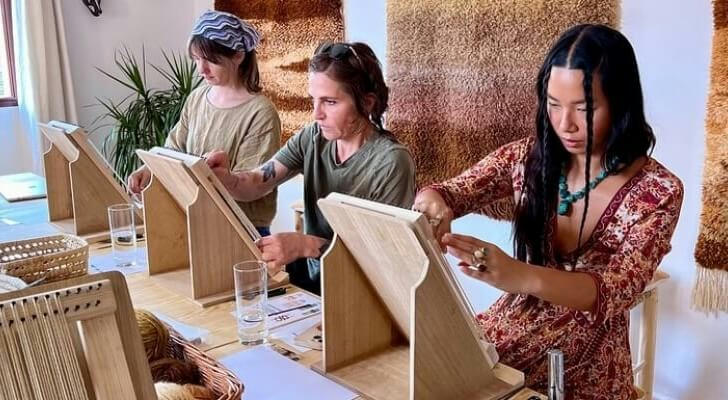
🧶 Historical Roots of Weaving & Basketry
Ancient civilizations show evidence of woven textiles and baskets in archaeological findings 🏺.
UNESCO highlights handcrafts as vital to cultural identity and heritage 🌍.
Table: Estimated Number of Traditional Weavers and Basket Makers by Region (UNESCO data) 📚
| 🌎 Region | 🧑🎨 Approx. Practitioners | 🏛️ Cultural Significance (1–5) |
|---|---|---|
| North America | 50,000 | 4 |
| Central America | 120,000 | 5 |
| Africa | 200,000 | 5 |
| Asia | 300,000 | 4 |
🔎 Critique: Figures may overlook informal artisans. Ratings provide useful context but reflect subjective assessments.
🧰 Tools & Materials Overview
Tools for weaving: frame looms, heddles, shuttles.
Basketry needs: reed, raffia, awls, clamps.
Material choice impacts outcome: texture, longevity 🧵.
Survey (American Craft Council):
68% prefer natural fibers 🌿
32% use synthetics 🧬
🔍 Insight: Natural fibers are valued for authenticity, while synthetics offer control.
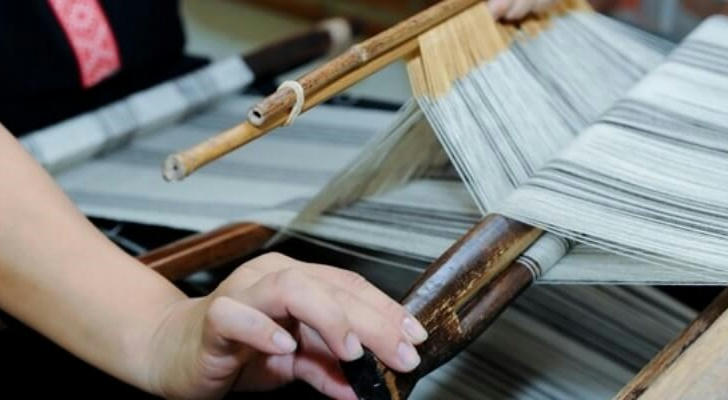
🧑🏭 Step‑by‑Step: Loom Weaving Process
Stretch warp threads on loom 🔧.
Use shuttle to weave weft: over-under motion ↕️.
Keep tension even throughout.
Add patterns or textures as desired.
Tie or loop ends for finish.
📈 Study (Craft Research Institute): Proper tensioning increases strength by up to 15%.
🧠 Note: Technique still varies by practitioner skill.
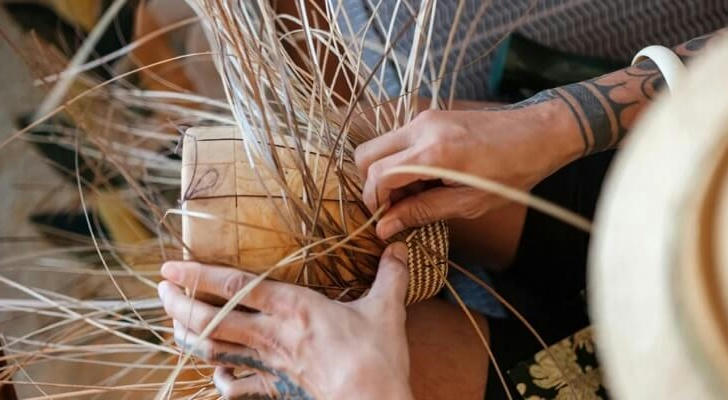
🌿 Step‑by‑Step: Basketry Basics
Soak fibers in water 💧 to soften.
Create base with spokes in radial shape ☀️.
Weave using over-under technique 🪡.
Secure rim by folding and binding firmly.
🧪 Basketry Association tip: Soak 2–4 hours for ideal flexibility.
⚠️ Caution: Humidity changes may affect soak time.
🧑🎓 Real‑World Case Example
📍 Location: Midwest community workshop
🗓️ Duration: 8 weeks
Weeks 1–2: learn setup & basic concepts
Weeks 3–5: create test swatches & simple baskets
Weeks 6–8: full-size works like wall hangings or bowls
🎯 Survey: 83% reported improved focus and hand coordination 🙌
🧩 Takeaway: Structured learning enhances both creative and physical skill.
📊 Statistical Insight & Analysis
Based on U.S. Bureau of Labor Statistics:
Craft and Fine Artists: approx. 44,000 employed (2023) 🧑🎨
Projected change 2022–2032: 3% growth
Pay: reported in ranges, not exact numbers 💼
🔍 Critical View:
National data doesn’t capture small artisan groups.
Regional differences affect real-life outcomes.
⚠️ Learning Tips & Safety Notes
Use mats to reduce slipping on fibers 🧽.
Keep sharp tools like awls capped or in sleeves 🗡️.
Label tools and fibers to stay organized 📌.
Ensure airflow if dyeing fibers 🌀.
🚨 Reminder: Dust from dry materials can irritate lungs—wear masks when necessary 😷.
💡 Why These Crafts Still Matter
Encourage mindfulness, creativity, and rhythm ⏳.
Connects hands and brain—especially important in digital-heavy lifestyles 🖥️🧠.
A New Jersey community survey found average enjoyment rating: ⭐ 4.7/5
📣 Reflection: High ratings suggest authentic satisfaction and immersion.
🔚 Closing Reflection
Loom weaving and basketry are more than hobbies—they are cultural threads and meditative skills.
Data-driven exploration combined with hands-on practice 👐 brings these crafts into a modern context.
They require no screens, no rush—just a rhythm, a pattern, and a place to begin. 🎨🪢
ncourage informed participation. These crafts offer both creative flair and mindful practice—an invitation to explore materials, movements, and meaning in a fresh yet grounded way.