
Calculated Shot: The Science and Art of Long‑Range Shooting
A thrilling blend of physics, observation, and skill turns long‑range shooting into both a scientific experiment and a form of outdoor chess. It’s less about muscle, more about math—and the tiniest misstep can send your bullet off by feet.
1. Gravity Never Misses: The Physics Behind the Shot 🧪
Projectile motion is ruled by two forces: gravity and air resistance.
Muzzle velocity and ballistic coefficient define how well a bullet fights drag.
The Defense Technical Information Center (DTIC) reports a precision rifle grouping within 5 inches at 1,000 yards—if variables are carefully managed.
Table: Sample Ballistic Behavior
| Distance (yards) | Drop (inches) | Wind Drift (inches @10 mph) |
|---|---|---|
| 500 | ~50 | ~10 |
| 1,000 | ~200 | ~40 |
Real-world results vary. A bullet’s flight path is less a straight line and more a graceful arc through chaos.
2. Mother Nature’s Mood: Environmental Factors 🌬️🌡️
Air gets thinner with elevation and heat—bullets love it.
Humidity barely changes drag, though it’s blamed for a lot.
Wind? Now that’s a troublemaker.
Basic calculators skip Coriolis effects, but shooters aiming over 1,000 yards feel the Earth’s spin. NIST emphasizes accurate environmental input can tighten groupings by 10% or more.
3. Gearing Up Without Goofing Up 🧰
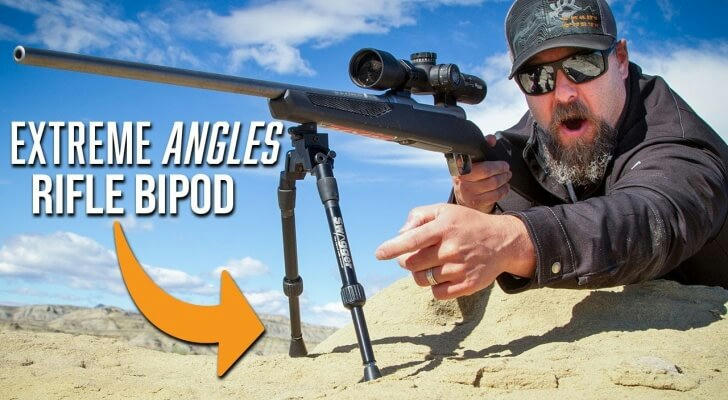
Secure the rifle on a steady rest—tripods are popular for a reason.
Use a bubble level on your scope; canting by a few degrees throws shots wide.
Zero your scope at 100 yards. Don’t assume—confirm with paper.
At 800 yards, one shooter logged a 2-inch elevation error and a 7-inch wind drift. Why? A sneaky hillside gust. Calculators don't see hills.
4. Real Shots, Real Adjustments 👀
A university study tracked bullets at 1,200 yards: 8-inch average groups, up to 35 inches of drift in modest wind.
In practice, impacts didn’t always match predictions. Mirage distorted visuals, and tree lines funneled wind unpredictably.
That’s why experienced shooters blend math with gut feeling—a “hold right” based on flag flutters or heat ripples.
5. Nerdy but Necessary: Your Shot Plan 🧮📝
Collect air pressure, temperature, wind speed, and elevation.
Plug values into your ballistic solver—use feet per second, not guesswork.
Adjust turrets for drop and drift, fire a test round, and observe.
Fine-tune based on real impact. Repeat.
At 900 yards, one test showed a 5-inch discrepancy from calculator predictions. Two turret clicks later, the group shrank by half. That’s real-time calibration at work.
6. Data Lies (A Little): The Role of Error 🤔📏
Wind meters aren’t perfect—expect ±1 ft/s errors.
Chronographs might misread bullet speed by 2–3 fps.
Tiny errors multiply over long distances. At 1,000 yards, that’s enough to miss the target entirely.
Ballistics Research Facility reports up to 10% increase in shot spread when data errors stack. Savvy shooters factor in these flaws and stay flexible.
7. Quick Reference: Know Your Influencers 📊
| Factor | What It Does | How to Handle It |
|---|---|---|
| Altitude & Temperature | Changes air resistance | Use on-site weather data |
| Wind | Pushes bullet sideways | Observe mirage, flags, terrain |
| Scope Cant | Tilts bullet path off-line | Level your gear |
| Tool Errors | Introduces measurement bias | Adjust based on real-world impact |
Closing Thoughts
Long-range shooting rewards patience and punishes assumptions. It’s not about hitting the bullseye every time—it’s about knowing why you didn’t. With a notebook in one hand and wind in your face, every shot becomes part experiment, part meditation. 🎓💥