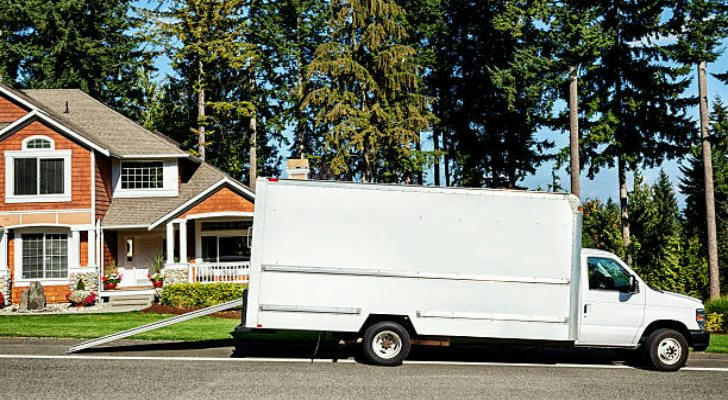
Heavy Lifting, Smart Moving: The Professional Mover's Playbook
Moving isn't just about carrying boxes from point A to B—it’s a coordinated process that blends logistics, safety, and serious stamina. This article lifts the curtain on what professional movers really do.
Understanding the Role of a Professional Mover
A mover’s job includes more than just lifting heavy objects. They:
Disassemble furniture without damaging it
Safely wrap fragile items like glassware or electronics
Maneuver bulky items through narrow hallways, stairs, or elevators
Along the way, they also manage time constraints and building policies—making each move a custom mission.
📊 Industry Snapshot: Moving in the U.S.
Data from the U.S. Census Bureau and the American Moving & Storage Association shows how common relocation is—and how specialized the moving profession remains.
| Category | Data (2023) |
|---|---|
| Annual moves in the U.S. | ~27.1 million |
| Moves handled by pros | ~3 million |
| Avg. move distance | ~1,170 miles |
🔍 That means only about 1 in 9 moves involves professionals, pointing to the trust placed in movers for complex or long-distance relocations.
🧰 It’s Not Just Muscle: Skills Movers Use Daily
Packing and lifting are just part of the job. Movers must balance weight distribution in the truck, identify fragile items without unpacking, and plan efficient loading sequences. Communication is also essential—they must explain logistics, manage customer expectations, and react calmly when things don’t go as planned.
Mastery of packing techniques
Time coordination with tight schedules
Risk management under pressure
🚚 A Mover’s Game Plan: From Walkthrough to Delivery
Every job begins with a pre-move walkthrough: evaluating how much needs to be packed, identifying items that require disassembly, and flagging any risks like steep stairs or lack of parking.
The move itself follows a tested sequence:
Labeling boxes by room and fragility
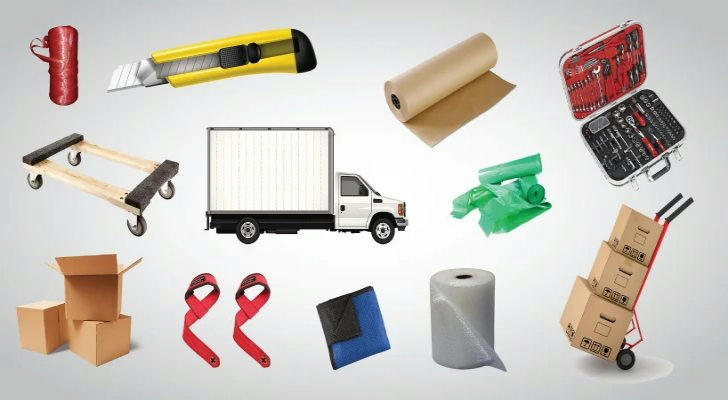
Using straps, dollies, and blankets to secure items
Strategically loading based on size and weight
Unpacking in an orderly fashion to avoid rework
📌 The goal is efficiency with minimal risk—no guesswork involved.
🎯 Common Challenges and Smart Fixes
Not all moves go as planned. Elevators may be out of service, or a couch might not fit through the door. Professional movers know how to pivot.
Use of furniture sliders and lifting straps in tight spaces
Weatherproof wrapping materials for sudden rainstorms
Temporary ramp setups for uneven terrain
Experienced crews adapt quickly without compromising safety or damaging items.
🧪 Real Case: Fifth-Floor Piano, No Elevator
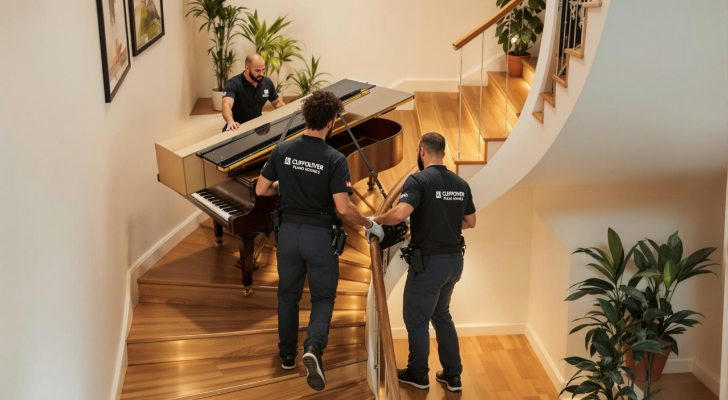
A mover in Philadelphia shared a memorable move involving a 350 lb antique piano and a fifth-floor apartment—no elevator, steep stairs.
The team used padded harness systems
Protected all walls and stair rails with blankets
Coordinated slow, steady lifts at each landing
📦 No damage, no injuries. Just careful planning and a crew trained for worst-case scenarios.
🧍♂️ Staying Safe: More Than Just Lifting Right
Occupational Safety and Health Administration (OSHA) data highlights injury risks in the moving industry.
| Risk Type | Movers Affected (%) |
|---|---|
| Back injuries | 35% |
| Sprains/strains | 21% |
| Slips/falls | 14% |
To mitigate these, movers follow routines like:
Team lifting protocols
Pre-shift stretching exercises
Use of ramps, straps, and padded dollies
🚧 Injury prevention is a key part of training—not an afterthought.
🔍 Industry Criticism and Reality Checks
Automation is a popular topic, but the majority of U.S. homes are unpredictable in layout—narrow doors, spiral staircases, fragile surfaces. Critics also raise concerns over injury rates, which have led to improvements like ergonomic tools and stricter training programs.
While some argue that DIY moves save money, professional movers reduce time, damage risk, and stress. Their value lies in consistency and efficiency—not low cost.
📦 Summary: Precision, Not Just Power
Professional movers operate more like logistics specialists than laborers. They assess, plan, and execute every detail with an eye toward safety and speed. From rainy days to awkward staircases, they navigate it all with skill and adaptability.
💡 Heavy lifting is only half the job. The rest is smart thinking.