
The Circuit Master: Advanced Diagnostics for Electrical Systems
Advanced electrical diagnostics can prevent hazards before they spark. This guide explores key methods, data, and tools that help identify and address faults in both home and industrial systems—without hype or jargon.

🔌 What Is Electrical Diagnostics?
1.Electrical diagnostics identify faults in circuits like loose connections or overloads.
2.It blends hands-on inspection with device-based measurement.
3.Common checks include:
Measuring voltage, current, and resistance.
Visual scans for discoloration or frayed wires.
4.The goal is safety, not guessing.
📊 Real Data, Real Problems
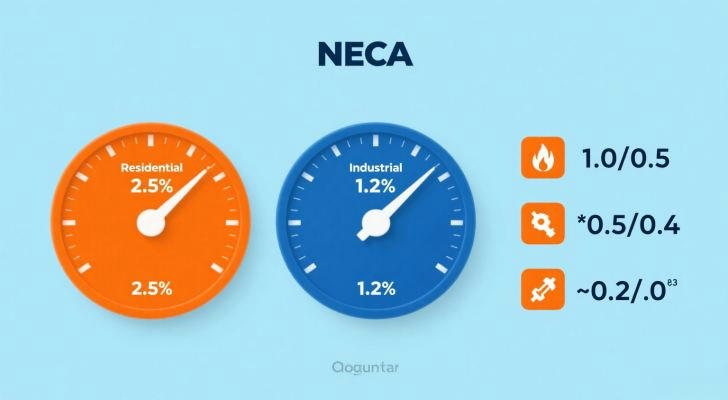
- According to the National Electrical Contractors Association (NECA):
Home electrical systems experience a 2.5% fault rate annually.
Industrial systems have a 1.2% fault rate.
- Common fault types:
| Fault Type | Home Systems (%) | Industrial Systems (%) |
|---|---|---|
| Overheating/Overload | 1.0 | 0.5 |
| Loose Connections | 0.8 | 0.4 |
| Insulation Breakdown | 0.5 | 0.3 |
| Other | 0.2 | 0.0 |
Most issues arise from basic physical stress rather than component failure.
These stats are based on thousands of field reports across the U.S.
🔍 Third-Party Analysis Matters
1.The U.S. Consumer Product Safety Commission (CPSC) reports over 40,000 electrical fires annually.
2.Studies show:
Loose terminals contribute heavily to circuit failures.
Visual inspection alone can miss up to 30% of minor faults.
3.Diagnostic accuracy improves when combining:
Calibrated multimeter readings.
Infrared imaging.
Contact resistance tests.
4.Critical thinking prevents false diagnoses and wasted time.
🏠 Home Example: Kitchen Circuit Mystery
1.A kitchen outlet kept tripping the breaker with no clear reason.
2.The step-by-step approach:
(1) Power off and remove outlet plate.
(2) Inspect for burn marks or melting.
(3) Test voltage at terminals with a standard meter.
(4) Check tightness of wires using a screwdriver.
(5) Reconnect and monitor—problem resolved when loose wire was secured.
- Result: no replacement needed, just precision diagnosis.
🏭 Industrial Example: Mysterious Tripping
1.A warehouse lighting circuit tripped several times a week.
2.Troubleshooting process:
(1) Open panel and inspect breakers.
(2) Use infrared scanner to detect heat anomalies.
(3) Confirm with contact resistance test at connection lugs.
(4) Find oxidation on one connector, clean and retorque.
(5) Observe performance under normal load.
3.The root cause wasn’t the device—it was the connection.
🎯 Diagnosing Isn’t Guessing
1.Think of circuits like arteries—when flow is restricted, performance drops.
2.Overheating is like inflammation; resistance, like poor blood pressure.
3.Good diagnostics don't just "find" the issue—they prove it.
4.Just like in medicine, tools must be:
Reliable
Regularly calibrated

🧠 Smart Takeaways
1.Diagnostics is part science, part detective work.
2.Combining measurements with visual and thermal tools is key.
3.Faults are often physical, not digital—loose screws, not faulty chips.
4.Verified data and structured methods save time and avoid dangerous assumptions.
Final Thought:
Electrical diagnostics isn’t about having fancy tools—it's about knowing what to look for, how to measure it, and how to interpret results without rushing. Whether in homes or heavy-duty facilities, precision always beats speculation.