
The Modern Craftsman: Mastering the Art of Woodworking
In an increasingly digital world, the tangible satisfaction of creating something with your own hands holds a unique appeal. Woodworking, an ancient craft, is experiencing a remarkable resurgence, captivating a new generation of hobbyists and professionals alike. This article explores the current state of woodworking in America, from the tools and techniques to the economic realities and educational pathways. It's a journey into a world where sawdust and skill combine to create lasting works of art.
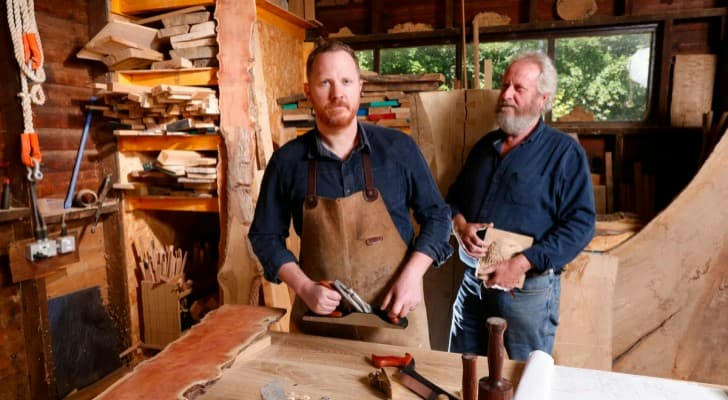
🎨 The Allure of the Analog
The appeal of woodworking today goes beyond just making things. It’s a direct response to a digital-first lifestyle, offering a chance to disconnect and engage with the physical world. For many, it provides a sense of accomplishment that a finished spreadsheet or email thread simply can't match. This tangible connection to a physical object, from a simple cutting board to an intricate piece of furniture, is incredibly rewarding.
Mental Health Benefits: The focused, meditative nature of woodworking is often cited as a stress reliever. The process requires full concentration, which can help quiet a busy mind.
Creative Expression: Wood offers a vast canvas for creativity. Different species, grains, and finishes allow for endless possibilities in design and form.
Building Skills: From understanding wood grain to mastering various joinery techniques, the craft provides a continuous learning journey.
🛠️ Tools of the Trade: A Modern Take
Woodworking today blends traditional tools with modern technology. While a hand plane and chisel are still essential, many craftsmen now rely on precision machinery to increase efficiency and accuracy. This blend allows for a wider range of projects, from rustic hand-carved pieces to perfectly symmetrical, mass-produced items.
- Essential Hand Tools: Hammers, chisels, hand saws, and measuring tapes form the foundation of any workshop. Mastering these is crucial for understanding the craft's fundamentals.
- Power Tools: A table saw, miter saw, and router are common in most modern shops. These tools significantly reduce labor and time, especially for repetitive cuts and shaping.
- Advanced Technology: CNC routers and laser cutters are becoming more accessible, allowing craftsmen to produce intricate, precise designs that would be difficult or impossible by hand.
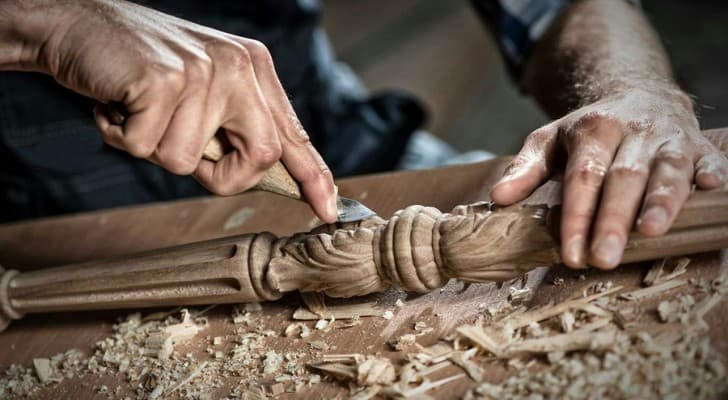
💼 Economic Realities for Woodworkers
While the craft is personally fulfilling, turning it into a profession involves navigating specific economic factors. Data from the Bureau of Labor Statistics (BLS) provides a look at the current landscape for furniture finishers and related woodworkers.
| Occupation | Employment (2022) | Median Hourly Wage (2022) | Job Outlook (2022-2032) |
|---|---|---|---|
| Cabinetmakers and Bench Carpenters | 125,500 | $21.25 | 1% (Little or no change) |
| Furniture Finishers | 18,300 | $19.49 | -3% (Decline) |
| Upholsterers | 22,000 | $21.54 | 0% (Little or no change) |
The BLS data shows a stable to declining outlook for some traditional woodworking roles. However, this doesn't tell the full story. Many modern woodworkers are entrepreneurs who sell custom furniture, turnings, and other specialty items directly to consumers or through online platforms, a sector not fully captured in these specific categories. This shift highlights a trend towards bespoke, one-of-a-kind pieces.
🎓 Pathways to Mastery
There are multiple paths to becoming a skilled woodworker, each with its own advantages. The choice often depends on personal goals, from creating a weekend hobby to starting a full-time business. There isn't one "right" way to learn; the best approach is the one that fits an individual's lifestyle and learning style.
Self-Taught: Many enthusiasts learn through online tutorials, books, and trial and error. The internet offers a wealth of knowledge, from basic techniques to advanced projects.
Formal Education: Community colleges and vocational schools offer programs in woodworking, cabinetry, and furniture making. These programs provide structured learning and hands-on experience.
Apprenticeships: Working under an experienced craftsman is a traditional way to learn. It provides practical, real-world skills and an understanding of the business side of the craft.
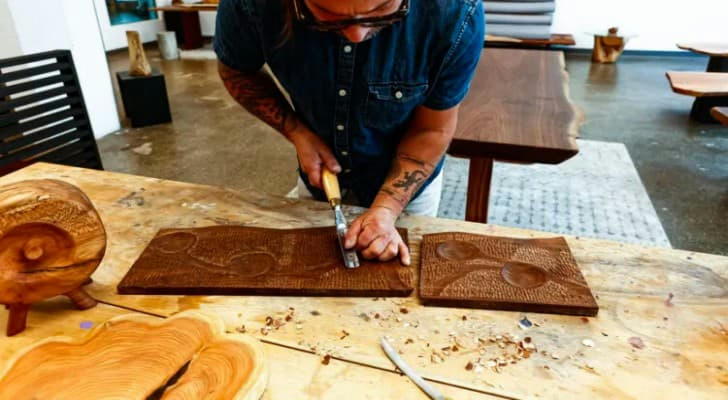
🌳 Case Study: The Upcycled Desk
Consider a craftsman who specializes in upcycling old materials. A recent project involved taking a discarded solid wood door and transforming it into a custom desk.
- Material Sourcing: The door was found at a local architectural salvage yard. This not only saved on material costs but also provided a unique, distressed look.
- Preparation: The door was carefully cleaned, stripped of its old finish, and sanded down to reveal the natural grain.
- Fabrication: The door was cut to size, and a custom steel base was fabricated. This combination of warm wood and cool metal created a modern industrial aesthetic.
- Finishing: A durable, oil-based finish was applied to protect the wood and enhance its natural beauty. The final piece was a one-of-a-kind desk, both functional and aesthetically pleasing.
This project is a great example of how a craftsman can add value and creativity to a discarded item, turning it into a valuable piece. It highlights the problem-solving and technical skills required in modern woodworking. 😊
📝 The Future is Handcrafted
The future of woodworking in the United States appears to be one of diversification and specialization. While large-scale manufacturing continues, there is a clear and growing market for handcrafted, unique pieces. The modern craftsman is not just a laborer; they are a designer, a problem-solver, and an entrepreneur. The craft continues to evolve, embracing new technologies while honoring the timeless satisfaction of working with wood. The desire to create something beautiful and functional with one's own hands is a timeless human impulse, and it's one that continues to thrive.